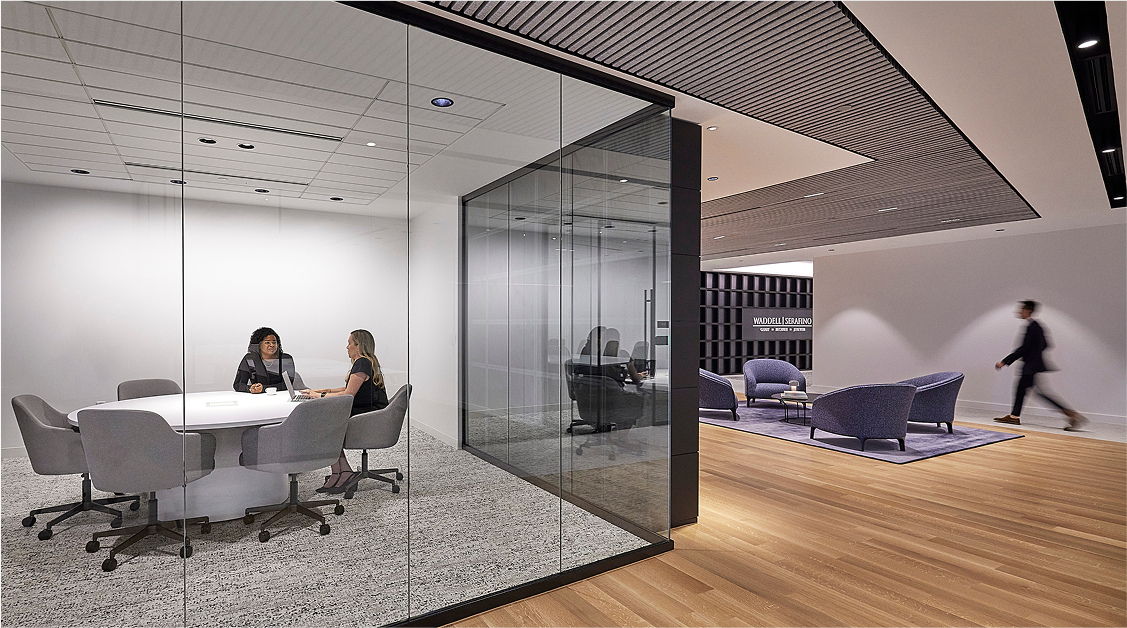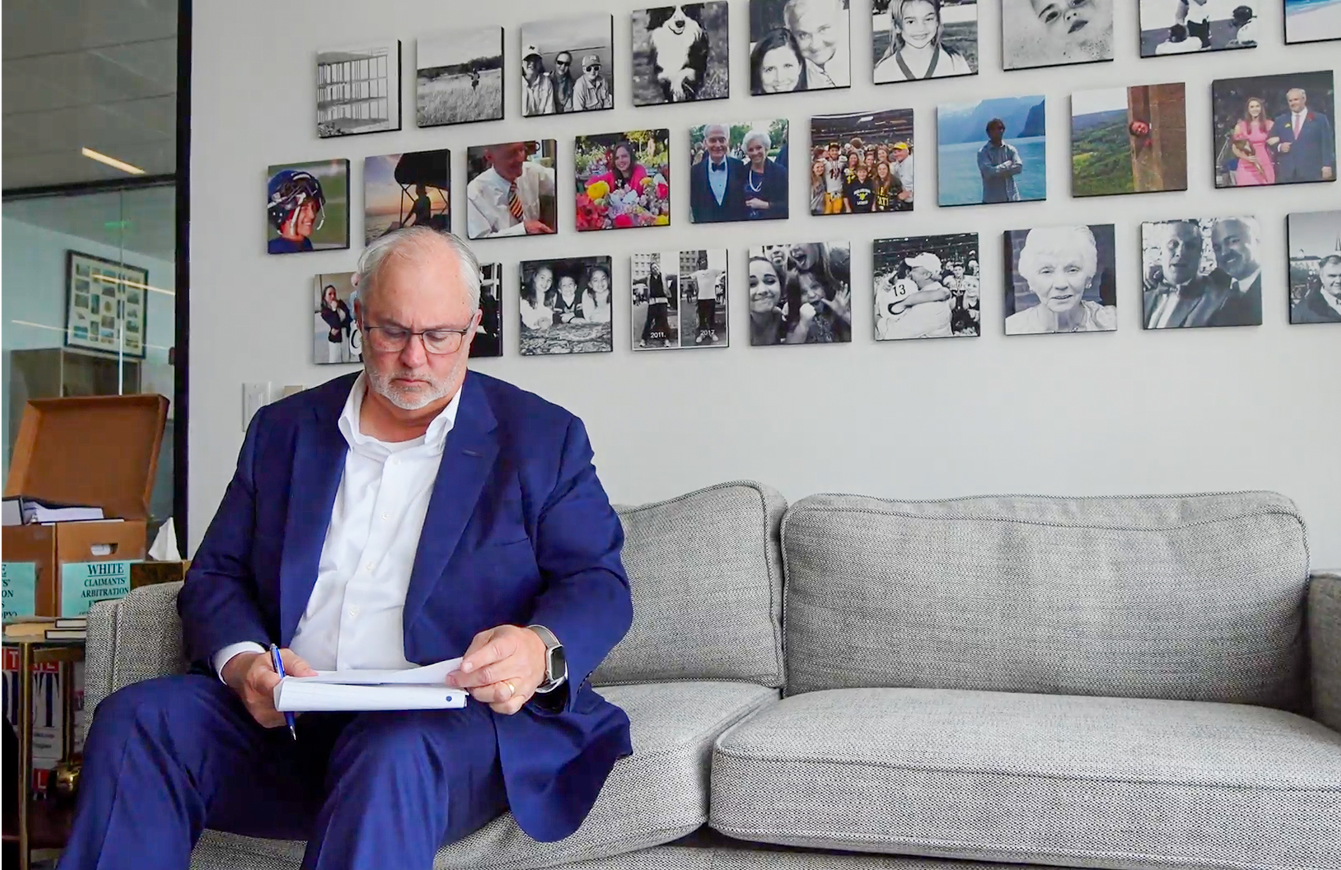
What three factors determine whether a mediation negotiation succeeds or fails?
Three factors determine mediation success more than any others: patience, perceived value of the mediator's input, and the mediator's credibility with both sides. Judge Bob Jenevein built his practice around all three — maintaining patience through multi-day impasses, delivering assessments that parties recognize as substantive, and earning trust through 30-plus years as a litigator, judge, and arbitrator. A mediator who lacks any one of these factors is less able to move entrenched parties toward agreement. Patience without credibility produces stalling; credibility without patience produces pressure that triggers walkouts. Effective mediation requires all three factors working together throughout the session.
What practical negotiation strategies improve mediation outcomes for disputing parties?
Practical negotiation strategies improve mediation outcomes by shifting each party's focus from defending positions to solving problems. Judge Bob Jenevein applies principles drawn from former U.S. Secretary of State James Baker's negotiation framework — preparation, active listening, and identifying the other side's true priorities before making counteroffers. Parties who enter mediation with a clear understanding of their own walk-away point and the other side's constraints reach agreements more quickly and more dependably. Preparation also means anticipating the mediator's likely assessment so responses remain strategic rather than reactive. Disciplined pre-session planning consistently produces stronger settlement terms than improvised bargaining.
Does a successful mediation negotiation require a specific structure or framework?
Successful mediation does not require a single prescribed structure — effective resolution follows whatever format fits the dispute and the parties involved. Judge Bob Jenevein teaches his SMU graduate students that rigid adherence to a single negotiation model often backfires because it limits a mediator's ability to adapt as dynamics shift mid-session. A skilled mediator reads the room and adjusts in real time, moving between joint sessions, caucuses, evaluative feedback, and facilitative questioning as the negotiation demands. Flexibility prevents artificial deadlocks caused by procedural constraints rather than substantive disagreements. The structure should serve the resolution, not the other way around.


Get started on consultation and scheduling.